Motorcycle riding in all-seasons is what separates the dedicated from the casual.
The problem is… without the proper gear, all-season adventures can be dangerous. The weather can change in a flash and your body is completely exposed. The right motorcycle outdoor travel gear can be the difference between an epic ride and a trip to the ER.
Worse still… According to the IIHS, 6,335 motorcyclists were killed in crashes in 2023. That’s the highest number on record since they started collecting the data in 1975. The majority of these deaths could have been prevented with safety gear.
The good news? Becoming weather-ready isn’t that difficult.
What You’ll Discover:
- The Importance of All-Season Gear
- The Essentials for Every Rider
- Choosing Weather-Ready Protection
- Taking Care of Your Gear for Longer Lifespan
The Importance of All-Season Gear
Motorcycle outdoor travel needs more than style essentials that just look good on the bike. Gear needs to provide real protection against rain, wind, cold and heat.
If you think about it…
Motorcyclists face completely different challenges in different seasons. Summers are hot. Winters are freezing cold. Springs and autumns are just unpredictable.
That’s why quality textile motorbike jackets make sense as an investment. Textile gear can provide the versatility that leather simply can’t match up to. The latest textile gear can provide waterproofing, breathability and thermal layers to adapt to changing conditions.
The issue is…
All-season riders need gear that can transition smoothly from season to season. Nobody wants to purchase completely separate wardrobes for summer and winter riding. That quickly becomes expensive and takes up storage space.
The answer is to get your hands on weather-ready gear designed to be worn in multiple conditions.
The Essentials for Every Rider
If you are a rider, these are some of the essentials that you have to have on your radar before you hit the road in any kind of weather condition.
Helmets
The helmet is non-negotiable. The helmet is the most important piece of motorcycle safety gear.
However, not all helmets work for all seasons…
Full-face helmets provide the most protection but can be hot during summer. Modular helmets give the versatility of flipping up the chin bar. Dual-sport helmets are ideal for adventure riders who are into mixed terrain.
Features to look out for in helmets are:
- Removable liners which can easily be washed
- Multiple vents for airflow control
- Pinlock-ready visors to avoid fogging up
- Quick-release buckles for convenience
Remember, helmets are made to protect your brain in the event of a crash. There is no rider who should be compromising on this.
Jackets
Motorcycle jackets provide protection for the torso, arms and back from impacts and weather. The market for all-season motorcycle jackets is dominated by modern textile jackets because of their adaptability.
A great all-season jacket should have:
- Waterproof or water-resistant outer shells
- Removable thermal liners for cold weather
- Ventilation zippers and mesh panels for high temperatures
A jacket should have CE-rated armour in the shoulders, elbows and back for impact protection. A simple fall at a low speed can lead to a serious injury if proper armour is not used.
Pants
The legs are the most vulnerable body part in a motorcycle crash and most riders tend to ignore proper leg protection.
Here’s a fact for you…
Studies show that armoured motorcycle pants reduce hospitalisation from leg and hip injuries by 51% as compared to regular pants. Isn’t that a huge difference?
For all-season riding pants should have:
- Waterproof membranes
- Knee and hip armour
- Removable thermal layers
- Reflective elements for visibility
Jeans may look cool but they have almost zero protection in the event of a slide. Purpose-built motorcycle pants are a must for serious riders.
Gloves
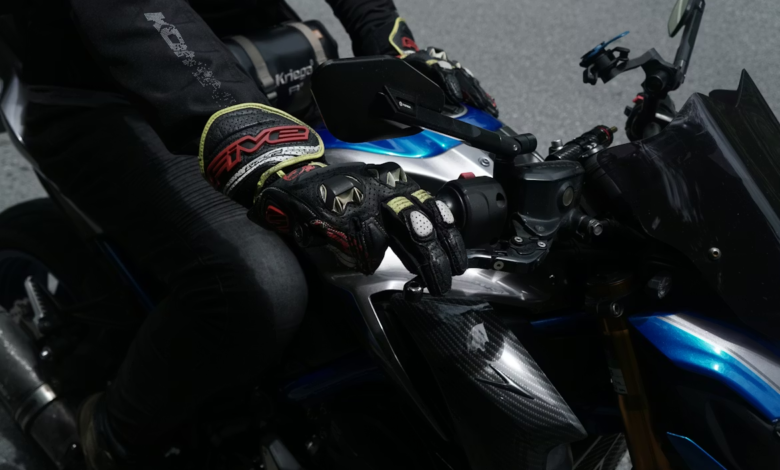
Hands are the first point of contact when a motorcycle crash occurs. It is essential to protect them for both safety and comfort reasons in all seasons.
Summer gloves should have proper ventilation and short cuffs. Winter gloves should have insulation and long gauntlets to keep cold air out. Mid-season gloves are a balance between the two.
Palm sliders and knuckle protection are a must in any glove that you should choose. These features will help your hands to slide rather than catch when you take a fall.
Boots
Ankles are a vulnerable part of your body and regular shoes provide no protection for them. Motorcycle boots should cover the ankle and include reinforced toe boxes and heel cups.
All-season riding boots should have:
- Waterproof quality to keep your feet dry in rain
- Breathable material to prevent sweat buildup during the summer heat
- Good sole quality which grips footpegs securely and provides traction when you are not on the bike
See also: Smart Travel Strategies for Budget-Friendly Adventures
Choosing Weather-Ready Protection
It is essential for you to balance protection, comfort and versatility when you are choosing the right gear. Here’s how you can make smart decisions.
- Protection first. Every piece of gear should meet CE safety standards. Armour ratings are important. Look for CE Level 2 protection in high-impact zones such as shoulders, elbows, knees and back.
- Think about the primary riding conditions. Urban commuters have completely different needs than adventure tourers who are in for covering thousands of kilometers. Match the gear with the type of riding that you will be doing the most.
- Try on everything properly. Gear that doesn’t fit right will not be able to protect you the way it should. Armour should sit directly over the joints. Jackets should not ride up when you are seated on your bike.
- Check out the layering system. The best all-season gear will have modular designs with removable liners which add or reduce warmth as and when needed. This will help to extend its usability across a range of temperatures.
- Look at actual reviews. Riders who have bought the gear share their real-world experiences with the gear performance. Look for feedback about waterproofing durability, ventilation effectiveness and long-term quality.
Taking Care of Your Gear for Longer Lifespan
Good quality gear can cost money. The right maintenance will help to keep it performing for years to come.
- Clean them regularly. Dirt and grime will break down fabrics and waterproof coatings over time. Follow washing instructions by the manufacturer very carefully.
- Reproof waterproof membranes. DWR coatings will wear off with time. Reapplying waterproof treatments will restore protection and extend the life of the gear.
- Inspect the armour condition. Foam armour will degrade over time and after impacts. Replace any armour that shows cracks, compression or damage.
- Store it properly. Hang jackets and pants instead of folding them. Keep helmets away from direct sunlight and extreme temperatures.
- Replace it after a crash. Any gear that is involved in a crash should be replaced. Internal damage isn’t always visible but can compromise protection in future incidents.
Bringing It All Together
Weather-ready motorcycle gear can transform all-season riding from risky to a fun time. The right protection will be able to handle whatever the road throws at you.
Let me quickly recap…
- Invest in gear that is versatile and can be adapted to multiple seasons
- Prioritize protection over style
- Choose CE-rated armour in all the right impact zones
- Maintain your gear in the right manner to extend its lifespan
- Replace any damaged or worn-out gear
Motorcycle safety statistics are sobering to say the least. Proper gear reduces the risk factor while keeping the riders comfortable in rain, shine, heat and cold.
All-season adventures are out there for those who are prepared to face them. Get your gear right and enjoy the ride throughout the year.