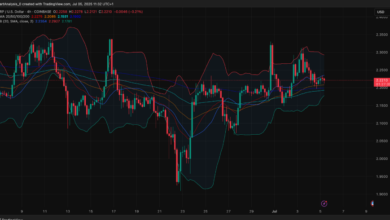
Cryptocurrency day trading has become one of the most popular ways to profit from the fast-moving digital asset markets. Unlike traditional stock markets that close at the end of the day, crypto markets operate 24/7, allowing traders to take advantage of price movements at any time. Among all available trading pairs, the ETH USDT pair stands out as one of the most liquid and active in the entire market.
In this guide, we’ll explore what makes ETH/USDT ideal for day trading, go over proven trading strategies, discuss essential technical indicators, and highlight the common mistakes traders should avoid. Whether you’re a beginner or an experienced trader, understanding how to trade this pair effectively can significantly improve your success rate.
1. What Is Day Trading in Crypto?
Day trading is a short-term trading strategy where traders open and close positions within the same day to profit from small price fluctuations. The goal isn’t to hold long-term investments but to capture quick gains from volatility.
In the cryptocurrency world, price movements happen much faster than in traditional markets, providing both opportunities and risks. With the ETH USDT pair, traders buy Ethereum (ETH) using Tether (USDT) and then sell it back when the price rises — often multiple times within a single day.
Day trading requires:
- Quick decision-making.
- Understanding of technical analysis.
- Discipline in risk management.
Even small price differences can add up over time when leveraged correctly.
2. Why Choose ETH/USDT for Day Trading?
There are thousands of trading pairs in crypto, but ETH/USDT is among the top choices for day traders. Here’s why:
- High Liquidity: ETH is the second-largest cryptocurrency, and USDT is the most used stablecoin. Their combination ensures smooth execution and minimal slippage.
- Volatility: Ethereum’s price moves significantly throughout the day, providing opportunities for multiple trades.
- Availability: The ETH/USDT pair is listed on almost every major exchange.
- Transparency: The pair represents Ethereum’s value in dollar terms, making price tracking easier.
These qualities make ETH/USDT an ideal pair for both beginners learning the ropes and professionals running algorithmic strategies.
3. Tools You Need for Day Trading
Before diving into strategies, set yourself up with the right tools:
- Exchange Account: Use reputable exchanges like Binance, Kraken, or Bybit.
- TradingView Account: For technical charting and strategy backtesting.
- News Sources: Follow crypto news for updates on Ethereum, DeFi, and global markets.
- Portfolio Tracker: Tools like CoinStats or Delta help monitor your trades.
- Risk Management Calculator: Always calculate position size based on your stop-loss distance and account balance.
Having these essentials ready ensures a disciplined and data-driven trading approach.
4. Understanding the ETH/USDT Chart
The first step to becoming a successful day trader is learning how to read price charts. The ETH/USDT chart shows the price of Ethereum denominated in Tether (USDT), reflecting its real-time value in dollars.
Key chart components:
- Candlesticks: Represent the price movement within a specific time frame (1 minute, 5 minutes, 1 hour, etc.).
- Volume Bars: Indicate how much ETH has been traded.
- Trend Lines: Help identify market direction.
- Indicators: Provide data-based insights for timing entries and exits.
Most day traders use short-term timeframes like 5-minute, 15-minute, or 1-hour charts for rapid decision-making.
5. Essential Indicators for ETH/USDT Trading
Technical indicators are powerful tools that help traders make informed decisions. Here are some that work particularly well with ETH/USDT:
A. Moving Averages (MA)
Simple Moving Averages (SMA) and Exponential Moving Averages (EMA) smooth out price data. Traders often look for MA crossovers — when a short-term moving average crosses a longer one, it can signal a trend change.
B. Relative Strength Index (RSI)
The RSI measures momentum. Readings above 70 indicate overbought conditions, while below 30 suggest oversold zones. ETH/USDT traders use RSI to identify potential reversals.
C. MACD (Moving Average Convergence Divergence)
MACD identifies momentum shifts by comparing two moving averages. When the MACD line crosses above the signal line, it’s considered a bullish signal; crossing below indicates bearish momentum.
D. Bollinger Bands
These measure volatility by creating a range around the moving average. When ETH/USDT price touches the upper or lower band, it often signals overextension — useful for short-term reversals.
6. Popular ETH/USDT Day Trading Strategies
A. Scalping
Scalping involves executing dozens or even hundreds of small trades throughout the day, aiming for tiny profits per trade (often 0.1–0.5%). High liquidity makes ETH/USDT perfect for scalping because traders can enter and exit quickly.
Tips:
- Trade on exchanges with low fees.
- Use 1-minute or 5-minute charts.
- Set tight stop-loss orders.
B. Breakout Trading
Breakout traders watch for price levels where ETH/USDT consolidates before a sharp move. Once price breaks above resistance or below support with high volume, traders enter positions expecting strong follow-through.
Example: If ETH consolidates near $2,500 and breaks above $2,520, a trader might buy expecting a continuation toward $2,580 or more.
C. Range Trading
ETH often moves sideways within a range. Traders can buy near the bottom of the range (support) and sell near the top (resistance). Bollinger Bands work well for this strategy.
D. Momentum Trading
Traders follow strong trends identified using MACD or RSI. When ETH/USDT shows upward momentum, traders go long; when momentum fades, they exit or short the market.
E. News-Based Trading
Crypto prices react quickly to news — Ethereum upgrades, ETF approvals, or global regulations can trigger large movements. Quick reactions can be highly profitable, but they require constant vigilance.
7. Using Leverage Wisely
Many exchanges offer leverage (e.g., 5x, 10x, or even 100x) on ETH/USDT trades. While leverage can amplify profits, it can also magnify losses.
Best Practices:
- Start with low leverage (2x–3x) until you master risk management.
- Always set a stop-loss order to cap losses.
- Never risk more than 1–2% of your total capital per trade.
Responsible use of leverage ensures long-term survival in volatile markets.
8. Risk Management Techniques
Risk management separates successful traders from gamblers. Key principles include:
- Stop-Loss Orders: Automatically close losing trades before they grow too large.
- Take-Profit Orders: Lock in profits once a target is reached.
- Position Sizing: Use a fixed percentage of your portfolio per trade.
- Avoid Overtrading: Fewer, well-planned trades are more profitable than impulsive ones.
Keeping emotions in check is vital — many traders lose money due to fear or greed rather than bad strategy.
9. Backtesting and Practice
Before trading live, backtest your strategies using historical ETH/USDT data on TradingView. Simulate trades over several weeks to understand how your approach performs under different conditions.
Paper trading (simulated trading without real money) helps build confidence without risk. Once you achieve consistent virtual profits, you can start trading with small amounts in real markets.
10. Understanding Market Sentiment
Day traders also monitor sentiment indicators:
- Funding Rates (for futures): Positive rates indicate long dominance; negative means shorts dominate.
- Fear and Greed Index: Gauges overall market mood.
- Social Media Trends: Platforms like X (Twitter) often influence short-term movements in Ethereum’s price.
Combining sentiment with technical analysis offers a more complete picture of potential price direction.
11. Common Mistakes to Avoid
- Overleveraging: Using excessive leverage can lead to liquidation after minor price swings.
- Ignoring Fees: Frequent trading can erode profits through fees.
- Trading Without a Plan: Emotional trading often ends in losses.
- Chasing Losses: Trying to recover from losses by taking bigger risks is dangerous.
- Lack of Journaling: Keeping a trading journal helps identify patterns and mistakes.
Learning from errors and tracking performance are critical for long-term improvement.
12. Automation and Bots
Advanced traders use bots to automate ETH/USDT trades. These bots operate based on coded rules, executing trades when conditions are met.
Benefits include:
- Speed and precision.
- Elimination of emotional bias.
- Ability to trade 24/7.
However, bots require careful setup and monitoring — poorly configured bots can cause rapid losses.
13. Tax and Regulatory Considerations
Profits from day trading are usually taxable. Record every transaction, including entry, exit, and fees, to simplify reporting. Regulations vary by country, so staying compliant is crucial.
Stablecoin-based pairs like ETH/USDT often make tax calculations easier since USDT mirrors the U.S. dollar.
14. Developing the Right Mindset
Day trading success depends as much on psychology as strategy. Patience, discipline, and consistency are the trader’s greatest assets. Avoid the temptation to overtrade or react impulsively to price swings.
Remember, the goal isn’t to win every trade — it’s to ensure that your average win is larger than your average loss.
15. Conclusion
The ETH USDT pair offers day traders a powerful combination of liquidity, volatility, and opportunity. By mastering technical analysis, managing risks, and maintaining discipline, traders can capitalize on small but frequent price movements.
Whether you’re scalping on a 1-minute chart or trading breakouts on a 15-minute timeframe, ETH/USDT provides an ideal environment for active traders to test and refine their skills. Success in day trading comes from knowledge, preparation, and emotional control — and this pair remains one of the best platforms to practice all three.