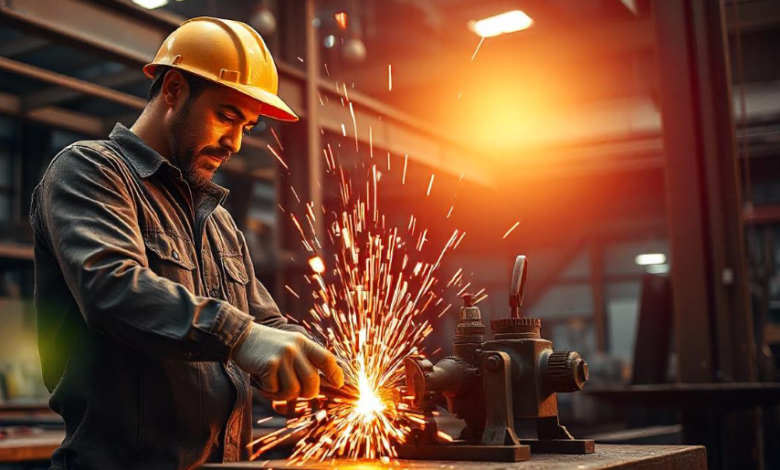
In the ever-evolving landscape of manufacturing and construction, material selection plays a pivotal role in determining the durability, efficiency, and overall success of industrial projects. Among the myriad of materials available, sheet metal consistently emerges as a leading choice for various applications. This article delves into the reasons behind the popularity of sheet metal, its diverse applications, and the distinct advantages it offers to industries across the board.
Understanding Sheet Metal
Sheet metal refers to a thin, flat piece of metal that is produced by rolling or pressing processes. It is manufactured in a variety of metals, including:
- Steel: Known for its strength and versatility.
- Aluminum: Lightweight and corrosion-resistant, making it ideal for aerospace and automotive applications.
- Copper: Excellent for electrical conductivity.
- Brass: Valued for its acoustic properties and aesthetic appeal.
This range of materials allows sheet metal to cater to a variety of industrial needs, from structural to decorative applications.
Key Characteristics of Sheet Metal
- Durability: One of the most appealing features of sheet metal is its strength and resistance to wear, making it ideal for long-lasting applications in demanding environments.
- Formability: Sheet metal can be easily cut, bent, and shaped into various forms, allowing for customized solutions tailored to specific needs.
- Lightweight: Despite its strength, sheet metal tends to be lightweight, which is crucial for industries where reducing weight is essential, such as automotive and aerospace sectors.
- Cost-Effective: The relative affordability of sheet metal, combined with its efficient manufacturing processes, helps keep overall costs manageable for businesses.
- Recyclability: Sheet metal is recyclable, contributing to environmentally-friendly practices within various industries.
Applications of Sheet Metal in Industries
Sheet metal’s versatility lends itself to numerous applications across various sectors. Here are some notable uses:
1. Automotive Industry
The automotive sector heavily relies on sheet metal for manufacturing body panels, frames, and other components. Its lightweight elements improve fuel efficiency while maintaining structural integrity. Advanced high-strength steel is often used for body panels to enhance safety while reducing weight.
2. Aerospace Industry
In aerospace, sheet metal is crucial for constructing aircraft components like fuselage panels, wings, and internal structures. The combination of strength and lightweight properties ensures aircraft can achieve optimal performance and fuel efficiency.
3. Construction Industry
In the construction realm, sheet metal finds itself in roofing, siding, and ductwork. Its weather resistance and structural stability make it a favorable option for buildings exposed to harsh environmental conditions.
4. HVAC Systems
Sheet metal is extensively used in heating, ventilation, and air conditioning (HVAC) systems, where it serves as ductwork. Its ability to be molded allows for supple design and efficient airflow, which is vital in maintaining indoor air quality.
5. Electronics
In the electronics industry, sheet metal is utilized for creating housings and enclosures that protect delicate components. Metal casings can dissipate heat effectively, ensuring the longevity of electronic devices.
See also: Why Knowledge AI Is Becoming Essential for Remote Teams
The Advantages of Choosing Sheet Metal
Choosing sheet metal for industrial applications confers several advantages:
1. Strength and Longevity
Sheet metal boasts impressive durability, allowing it to endure significant stress without deforming. Its corrosion resistance (especially when coated) enhances longevity, making it suitable for various applications.
2. Versatile Manufacturing Processes
Manufacturers can employ various processes on sheet metal, including:
- Cutting: Techniques such as shearing, laser cutting, and water jet cutting allow precise shaping of sheet metal.
- Bending: This involves transforming flat sheets into 3D shapes using brake presses and other bending equipment.
- Stamping: Here, a die is used to shape or cut the metal, prevalent in mass production settings.
- Welding: Techniques like MIG and TIG welding enable the joining of metal pieces, essential for creating assemblies.
3. Cost Efficiency
The affordable nature of sheet metal, paired with efficient manufacturing techniques, contributes to reduced production costs. Additionally, the longevity of sheet metal parts minimizes the need for frequent replacements, thus leading to cumulative savings.
4. Aesthetic Flexibility
Beyond its functional advantages, sheet metal can be finished, painted, or coated to achieve varied aesthetics. This flexibility makes it suitable not just for functional applications, but also for projects requiring visual appeal.
Innovations in Sheet Metal Technology
As industries advance, the technologies that facilitate sheet metal processing continue to evolve. Notable innovations include:
1. CNC Machining
Computer numerical control (CNC) machining allows for high precision in cutting and shaping sheet metal. This technology enhances the accuracy of complex designs while reducing waste.
2. Robotics in Fabrication
Robotic systems in sheet metal fabrication have revolutionized the industry by increasing efficiency and reducing manual labor. Robots can perform intricate tasks with precision and speed that human workers may find challenging.
3. Smart Manufacturing
Integrating IoT (Internet of Things) and AI into sheet metal manufacturing has led to smarter production processes. These technologies enable real-time monitoring and data collection, facilitating predictive maintenance and enhanced decision-making.
Case Study: Automaker Innovations
One exemplary case of sheet metal innovation is the use of advanced high-strength steels in automotive manufacturing. This material allows for lighter and stronger components, improving both safety and fuel efficiency. The Ford F-150, for instance, employs an aluminum body to reduce weight and enhance performance without sacrificing safety.
Challenges in the Sheet Metal Industry
While sheet metal offers numerous benefits, it is not without challenges. Some notable issues include:
1. Price Volatility
Fluctuating metal prices can impact the budgets of projects relying on sheet metal. Suppliers and manufacturers must remain agile to navigate price changes effectively.
2. Skilled Labor Shortage
Accurate processing of sheet metal requires a skilled workforce. A shortage of trained professionals can pose challenges in maintaining high-quality manufacturing standards.
3. Environmental Sustainability
As industries strive for greater sustainability, the sheet metal sector faces pressure to adopt greener practices. This includes reducing waste during manufacturing and increasing the recyclability of end products.
4. Demand for Customization
As industries evolve toward more tailored solutions, the demand for custom sheet metal parts increases. This trend necessitates that manufacturers adapt rapidly to customer specifications while still maintaining efficiency.
The Future of Sheet Metal in Industry
Looking forward, the role of sheet metal in industry is set to grow. With advances in technology and material science, manufacturers are poised to develop even more efficient and sustainable solutions. Key trends to watch include:
1. Sustainable Metal Solutions
The push for sustainability will lead to the development of eco-friendly sheet metal solutions, including the use of recycled materials and processes that minimize environmental impact.
2. Advanced Materials
Innovations in material science will introduce new alloys and composites that enhance the properties of sheet metal, making it suitable for even more specialized applications.
3. Increased Automation
Continued advancements in robotics and automation will streamline production processes, reducing labor costs and increasing accuracy in manufacturing.
4. Greater Integration with Smart Technologies
As smart technologies become more prevalent, sheet metal manufacturing will increasingly incorporate predictive analytics and IoT devices for enhanced operational efficiency.
Conclusion
In summary, sheet metal remains a top choice for durable industrial solutions due to its unmatched strength, versatility, and cost-effectiveness. Its ability to adapt across a multitude of applications, from automotive to construction, underscores its importance in modern industry. As technology continues to evolve, so too will the innovations surrounding sheet metal, paving the way for a future filled with possibilities.
For businesses looking to harness the benefits of sheet metal in their projects, partnering with experienced suppliers who understand the complexities of the industry is essential. Reach out today to explore how sheet metal can enhance your industrial needs and provide reliable, durable solutions.